
Our Story

USA250

Celebrating 250 Years of American Independence

The Kościuszko Mound Committee in Kraków, together with the people of Poland, proudly joins the United States and the American nation in celebrating the 250th anniversary of American Independence. Nowhere could these celebrations find a more meaningful stage than the Kościuszko Mound in Kraków — the most symbolic Polish–American landmark, where the legacy of Tadeusz Kościuszko, a hero of liberty on both sides of the Atlantic, continues to inspire new generations. This historic celebration at the Kościuszko Mound — in the very heart of Poland's history — will stand as a powerful symbol of the enduring friendship and shared values between Poland and the United States.

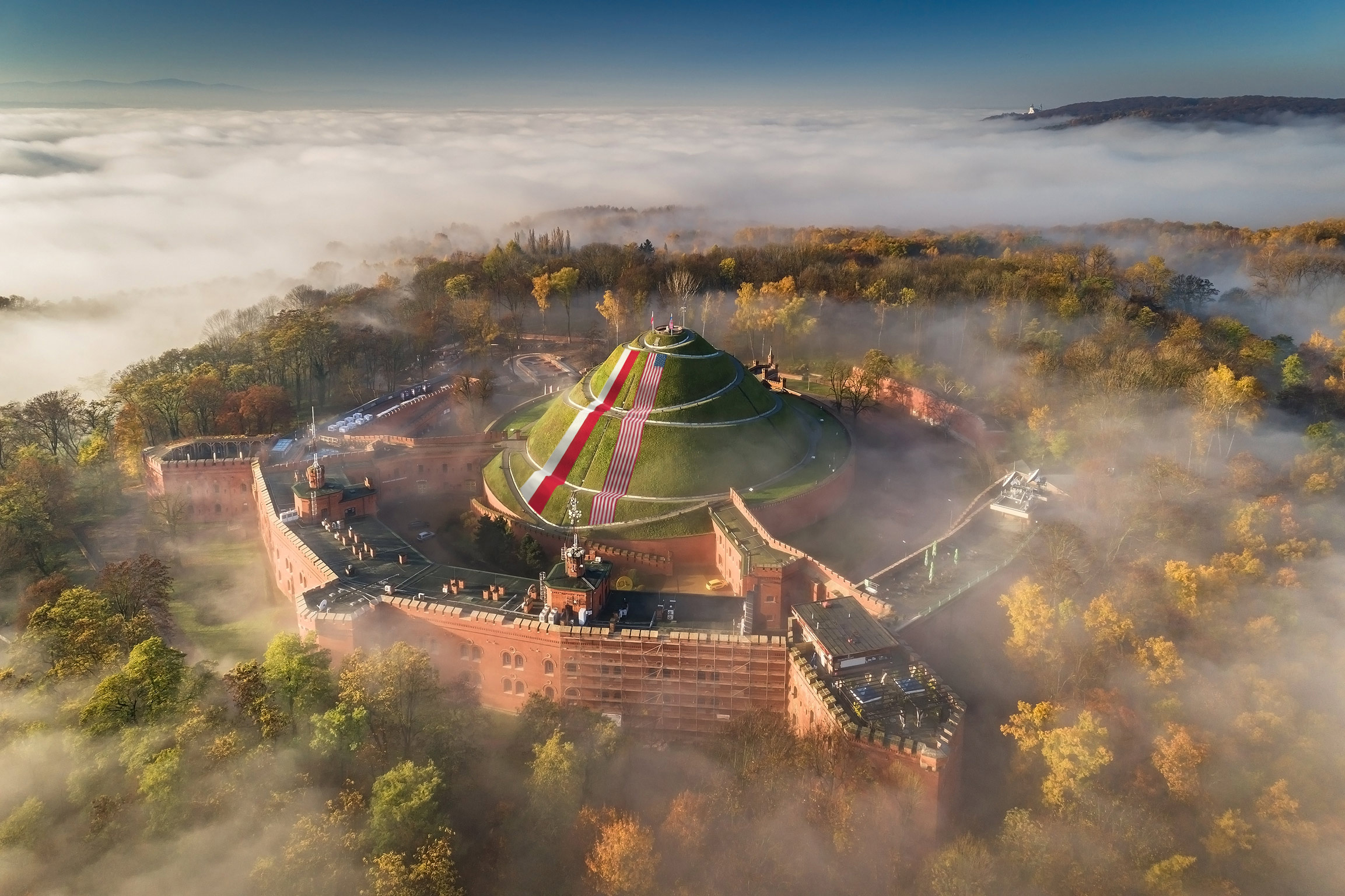
Kościuszko Mound with American flag visualization
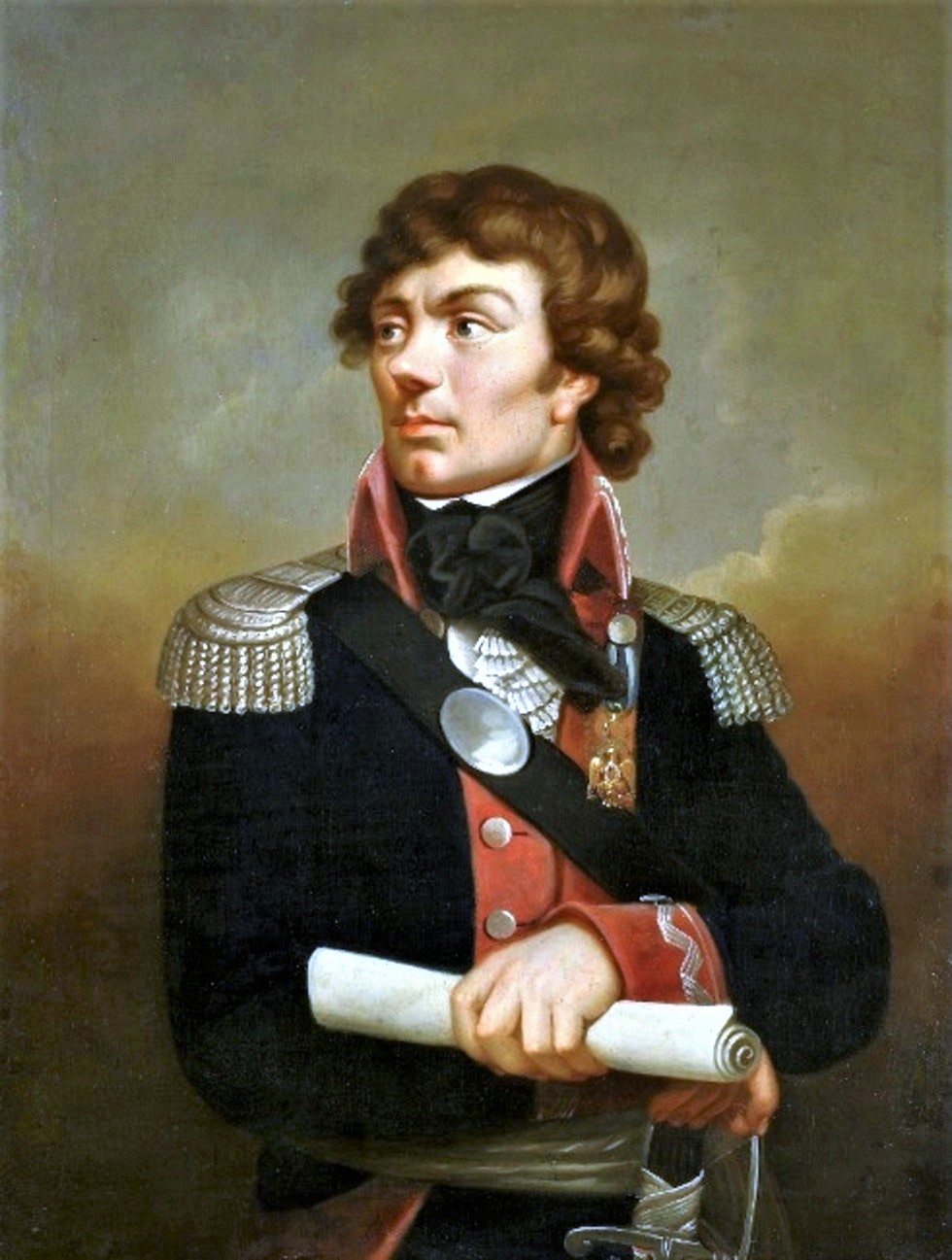
Tadeusz Kościuszko portrait

Tadeusz Kościuszko: Two Nations – One Hero

There is no greater Polish–American hero and friend of freedom than Tadeusz Kościuszko (1746–1817). A brilliant military engineer and a man of unshakable ideals, Kościuszko served as a brigadier general in the U.S. Revolutionary Army. He designed key fortifications, including those at West Point, later home of the United States Military Academy, and played a decisive role in the American victory at Saratoga — a turning point in the Revolution. For his distinguished service, he received the Order of the Cincinnati.

A close friend of George Washington, Kościuszko was admired for his integrity, courage, and devotion to liberty. Believing deeply in the equality of all people, he entrusted Thomas Jefferson, in his American will, to use his estate to free and educate enslaved individuals — a timeless testament to his conviction that freedom must belong to all.

He later returned to Europe to lead a national uprising in defense of Poland's independence. To this day, Kościuszko stands as a global symbol of the struggle for freedom and justice, and of the enduring Polish–American friendship.

Kościuszko's American Journey

Explore the key moments in Tadeusz Kościuszko's remarkable contribution to American independence.

1776-1783
Kościuszko's Role in the American War of Independence

Tadeusz Kościuszko, a young military engineer from the Polish–Lithuanian Commonwealth, crossed the ocean to support the struggling American colonies in their fight for freedom. His expertise in fortifications and strategy made him one of the most valuable European allies of the Revolution.

October 18, 1776
Appointment as Military Engineer with the Rank of Colonel

Only months after arriving in Philadelphia, Kościuszko was appointed an engineer in the Continental Army with the rank of colonel. This was a remarkable honor, reflecting the trust the Founding Fathers placed in his abilities.

Before September 19, 1777
Fortifying Bemis Heights at Saratoga

Kościuszko designed a system of defenses at Bemis Heights along the Hudson River, transforming the landscape into a fortress. Thanks to his work, American forces were able to halt the advance of the powerful British army.

October 17, 1777
British Surrender at Saratoga

The Battle of Saratoga ended in a decisive American victory. Kościuszko's fortifications played a crucial role, and the triumph persuaded France to officially ally with the United States – a turning point that changed the course of the war.

1778-1780
Building the Defenses of West Point

For two years, Kościuszko oversaw the construction of the defenses at West Point on the Hudson River. His complex of forts, redoubts, and obstacles became the strongest fortress in America. Today, West Point is home to the U.S. Military Academy, a living legacy of his work.

1780-1782
Kościuszko as a Chief Engineer of the Southern Army under General Nathanael Greene

In the South, Kościuszko had to adapt to harsh conditions – swamps, heat, and scarce resources. His skill in building bridges and mobile defenses allowed Greene's forces to maneuver, avoid defeat, and wear down the British in the Carolinas and Georgia.

October 13, 1783
Promotion to Brigadier General and Membership in the Society of the Cincinnati

With independence secured, Kościuszko was promoted to brigadier general in the Continental Army. He was also admitted to the Society of the Cincinnati, an elite order of officers who had fought for America's freedom.

August 1797 - June 1798
Kościuszko's Second Stay in the United States

After the failed uprising in Poland and imprisonment in Russia, Kościuszko returned to the United States. Welcomed as a hero, he reconnected with old comrades-in-arms and was celebrated as a symbol of shared ideals of liberty.

Before May 5, 1798
A Testament for the Freedom of Enslaved People

In one of his most extraordinary acts, Kościuszko drafted a will dedicating his American estate to purchasing the freedom of enslaved African Americans and providing them with education. He wanted the cause of liberty he fought for to extend to those most denied it.

The Kościuszko Mound in Kraków

A Lighthouse of Polish-American Freedom

Following Kościuszko’s death in 1817, his memory was especially cherished in his beloved Kraków — the city where he took an oath to fight for Poland’s independence and where he was laid to rest.

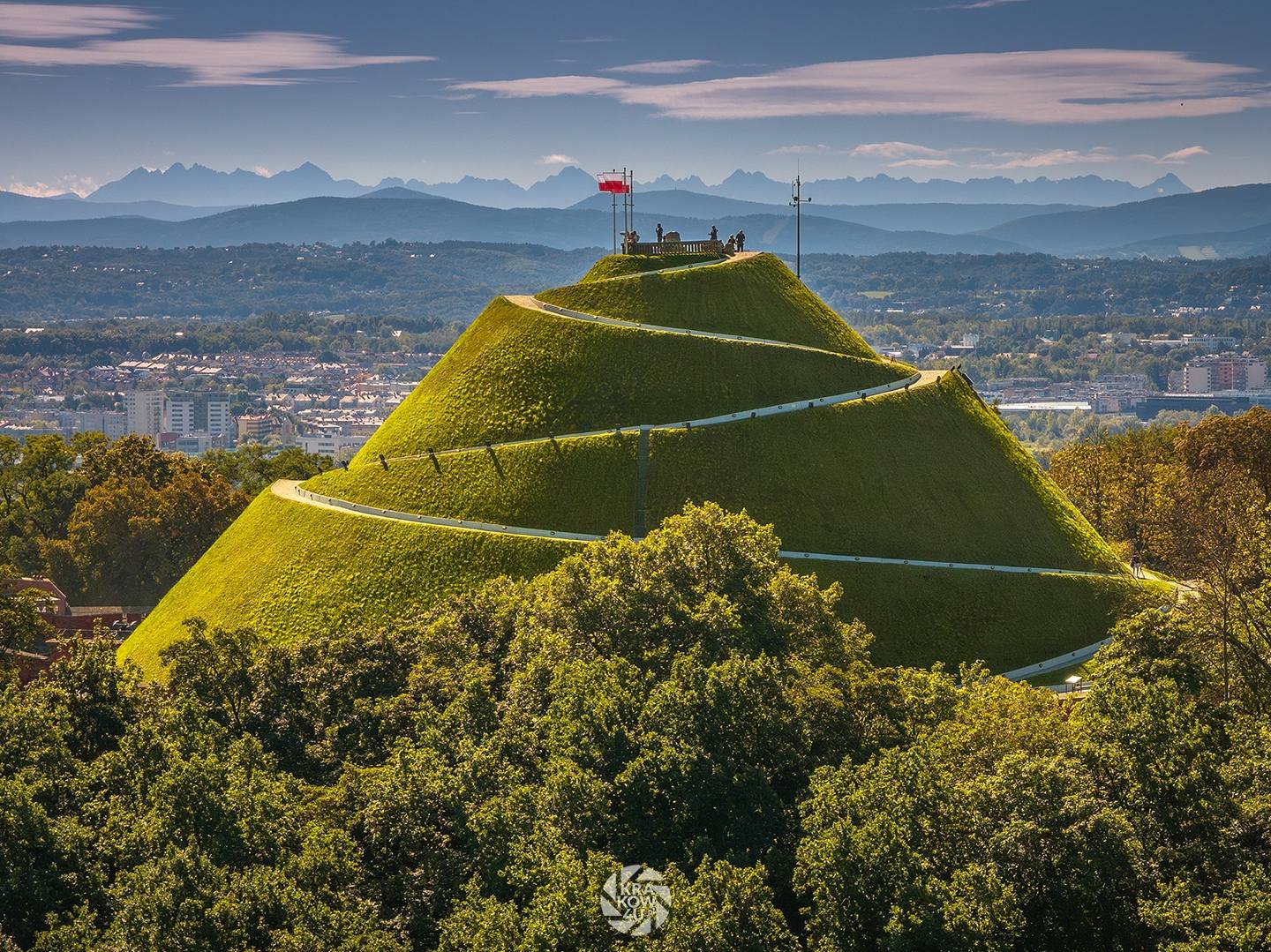
To honor him and his heroic struggle for freedom, the people of Poland — despite living under foreign rule — raised the Kościuszko Mound between 1820 and 1823 through an almost superhuman effort. They embedded within it soil from American battlefields where Kościuszko had once fought for liberty. Amid 123 years of oppression under three foreign empires — Russia, Prussia, and Austria — the Mound became a sacred emblem of Poland’s unbroken spirit, a silent pledge that the nation’s love of liberty could never be buried and would one day rise again. Today, rising high above Kraków and surrounded by 19th-century fortifications, the Mound houses The Kościuszko Museum, The Kościuszko Library and The Kościuszko Independence Hall, standing as a lasting symbol of liberty and enduring Polish–American friendship. It remains a place of pilgrimage for Poles from all over the world — a living testament to faith, freedom, and national pride — fittingly located at 1 George Washington Avenue.

Kościuszko Mound in Kraków
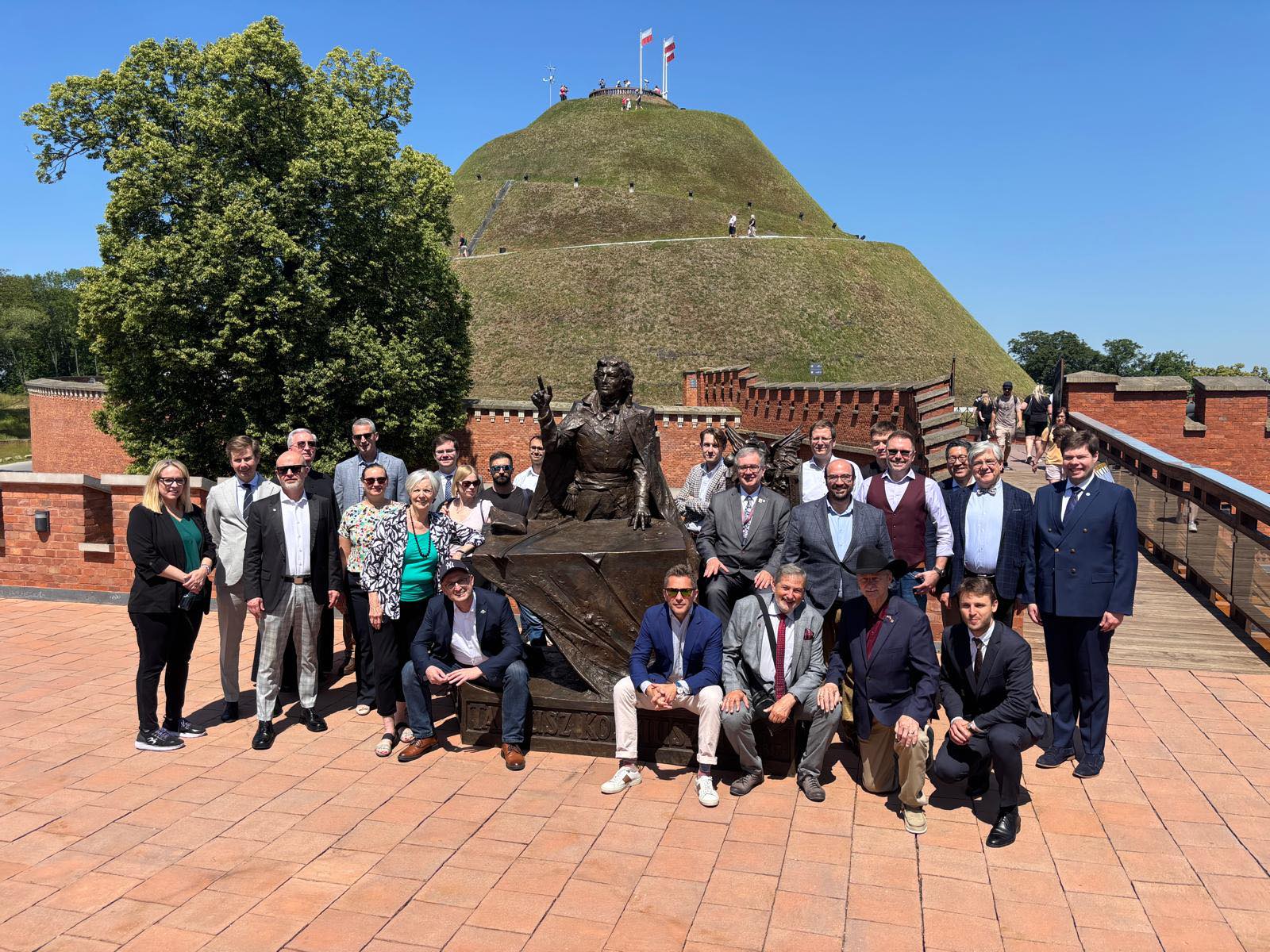
Kościuszko Mound Committee group at the Mound

The Kościuszko Mound Committee in Kraków

Guardian of Tadeusz Kościuszko's Legacy
Kościuszko Mound Committee logo

Founded in 1820, the Kościuszko Mound Committee in Kraków is dedicated to preserving the legacy of Tadeusz Kościuszko — a hero of freedom and democracy in both Poland and the United States.

Throughout its more than 200-year history, the Committee has safeguarded the historic Kościuszko Mound overlooking Kraków and continues to advance its mission today by organizing international events, educational and cultural programs, and operating The Kościuszko Museum.

The Committee is one of the oldest continuously operating civic organizations in Europe, and the only one of its kind born in a nation that had lost its statehood — established under foreign partitions as a patriotic act of unity and remembrance. To this day, the Committee honors the shared Polish–American history, upholds the common values of liberty and justice, and protects the ideals for which Tadeusz Kościuszko fought. It also nurtures relationships with Polish communities around the world — especially with the vibrant Polish-American diaspora — fostering enduring bonds across generations and continents.
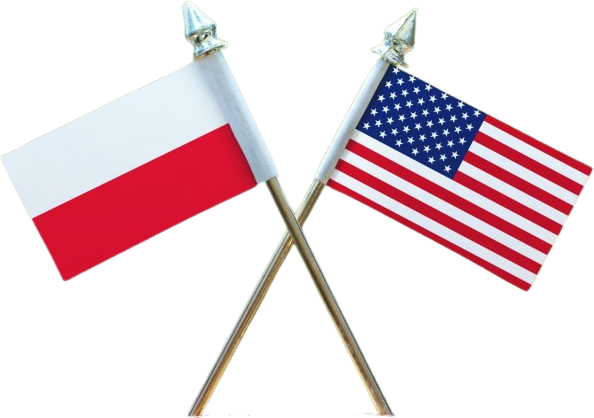
Polish and American flags

The Polish-American Relationship

The Polish–American relationship is like no other — deeply rooted in shared ideals of freedom, democracy, and human dignity. From the time of Tadeusz Kościuszko and Casimir Pulaski, who fought for America's independence, to the unwavering U.S. support for Poland's struggle for liberty, our nations have stood side by side in defense of common values. Throughout history — in moments of great hope and in times of uncertainty — the United States has been a steadfast ally and a vital guarantor of Poland's security.

Today, this alliance continues to play a crucial role within NATO, ensuring peace and stability in Central and Eastern Europe. At the same time, Polish-American cooperation continues to flourish across many fields — from culture and education to business and innovation. American companies are among the most active investors in Poland, while academic exchange thrives through programs such as Fulbright Poland, bringing together new generations of students, scholars, professionals, and leaders.

The human bridge between our countries is strengthened by a vibrant Polish-American community of nearly ten million people in the United States, who carry Polish heritage in their hearts and proudly call both nations their home. Together, Poland and the United States share not only a common past but also a shared future — built on freedom, friendship, and mutual respect.